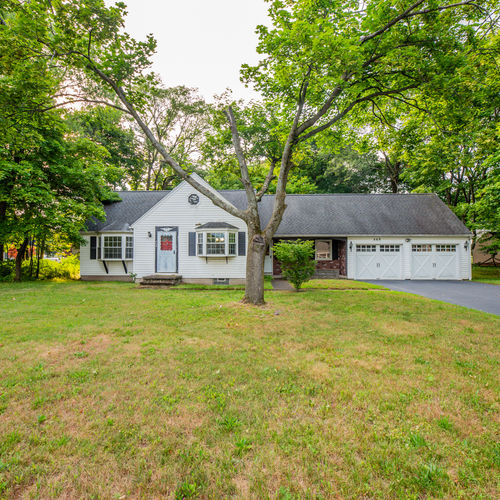


The phrase "55+ community" gets used for at least three very different products, and the directory sites that dominate this search lump them all together. An age-restricted apartment building, a condo association full of retirees, and a patio-home neighborhood with an HOA are different financial decisions with different monthly math, different flexibility, and different endings. Sorting them out is most of the work. Here is the signal underneath the noise.
Three products, one label
First, age-restricted rental communities. These are apartments and townhomes you lease, often with community rooms, activity calendars, and maintenance included. You trade equity for flexibility. Second, owned condos and townhomes, where you hold the deed and pay a monthly fee to an association that handles the exterior, lawn, and snow. Third, patio-home and ranch-style neighborhoods, some formally age-restricted and some simply built for the market, where you own a detached or semi-attached single-level home with an HOA covering the outside work. When someone tells us they want a 55+ community, the first question is which of these three they are actually picturing.
The decision underneath: rent or own
Most people arriving at this search are leaving a family home with significant equity, and where that equity goes is the real decision. Renting converts it to liquidity and removes maintenance risk entirely, which can make sense late in the plan or when health needs may change soon. Owning keeps the equity working in an asset while still shedding the mowing, the shoveling, and the roof. There is no universally right answer. There is a right answer for your timeline, your health outlook, and your estate plan, and it deserves twenty minutes of honest math before anyone tours a model home.
Where to look, suburb by suburb
The east side has the deepest bench. Penfield, Perinton, and Fairport have a steady supply of patio-home and townhome neighborhoods close to village amenities. Webster and Greece offer condos and ranch-style options with garages at friendlier price points. Henrietta has Rivers Run, a 55+ cottage community near RIT where residents own their homes. Pittsford and Brighton have fewer purpose-built communities but strong condo and townhome options near the villages. If you are willing to look just past the Monroe County line, Victor, Farmington, and Canandaigua have much of the region's newer active-adult construction. Browse our area guides at rochesterhomebodies.com/
The HOA fee is not an extra cost, it is a replacement cost
Sticker shock over a monthly association fee is the most common objection we hear, and it usually dissolves under arithmetic. List what you currently pay to keep a full-size house running. Lawn care, snow removal, exterior repairs, the reserve you should be holding for a roof and a driveway, and the Monroe County tax bill on more square footage than you use. Then compare that total to the fee plus the carrying costs of the smaller home. Often the move is close to neutral, and what you are actually buying is the end of maintenance surprises. Emotion says the fee is expensive. The math frequently disagrees.
Inventory is thin, so the order of operations matters
The hard truth about Rochester's 55+ market is scarcity. These homes turn over slowly because people stay in them, and the good communities rarely have standing inventory. That means the common plan of "we will sell once we find something" often fails in execution. The stronger play is to know your home's value now, have it prepared and ready to list, and be positioned to move decisively when the right patio home appears. Sellers coming out of well-kept family homes in this market hold real leverage. Timing, not demand, is the constraint.
Start with the number that funds the plan
Every version of this move is funded by the same asset, the house you are in now. Knowing what it would sell for today turns an abstract someday conversation into a concrete plan with a budget. Request a valuation at rochesterhomebodies.com/home-
FAQ
What is the difference between a 55+ community and a patio home neighborhood in Rochester?
A 55+ community has a formal age restriction, typically requiring at least one resident aged 55 or older, and can be rental or owned. A patio home neighborhood is a housing style, single-level living with an HOA handling lawn, snow, and exteriors, and many are not age-restricted at all. In the Rochester area, plenty of buyers over 55 end up in patio homes rather than formally restricted communities because the inventory is deeper.
Do you have to be 55 to live in a 55+ community?
Generally at least one member of the household must be 55 or older, and federal housing rules allow these communities to require that a majority of homes have an age-qualified resident. Rules vary by community, and some allow younger spouses or family members. Always confirm the specific community's occupancy policy in writing before committing.
Are there 55+ communities in Rochester where you own the home?
Yes. The Rochester area has owned options ranging from condos and townhomes in Webster and Greece to patio-home neighborhoods across Penfield, Perinton, and Fairport, plus 55+ cottage communities like Rivers Run in Henrietta where residents hold the deed. Newer active-adult construction is concentrated in Victor, Farmington, and Canandaigua.
What do HOA fees usually cover in Rochester-area 55+ and patio home communities?
Most associations cover lawn care, snow removal, and some or all exterior maintenance, and many fund reserves for roofs and roads. The fee typically replaces costs a homeowner already pays separately on a full-size house. Comparing the fee against your current maintenance, tax, and reserve spending gives a truer picture than reacting to the monthly number alone.
Should I sell my house before buying into a 55+ community in Rochester?
Inventory in these communities is thin and the good ones move fast, so the practical answer is to be sale-ready rather than sold. Know your home's current value, complete preparations in advance, and list the moment you secure the next home. A valuation is the first step because it sets the budget for everything that follows.
Check out this article next